
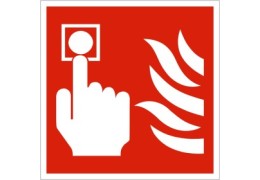
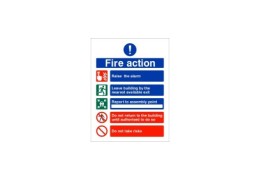
If you discover a fire, it is important to act quickly, stay calm and follow the fire evacuation procedure for the premises. Your first priority should always be the safety of yourself and others, not trying to save property or investigate the cause of the fire.

First Aid Signage Requirements: Sizes, Symbols, and Placement (UK Guide)
First aid signage is there for one reason: so people can find help quickly when it matters. In UK workplaces and public buildings, clear first aid signs support your health and safety arrangements, help visitors and contractors, and reduce delays in an emergency.
Disclaimer: This article is practical guidance, not legal advice. The exact first aid signage you need depends on your first aid needs assessment, building layout, and how the premises is used.
What first aid signs look like in the UK (symbols and colours)
In the UK, first aid signs are typically safe condition signs (green background with a white symbol). The most common symbol is a white cross on green.
- Colour: Green background (safe condition)
- Symbol: White cross (first aid)
- Text: Optional, but often helpful (e.g. “First aid”, “First aider”, “First aid room”)
Practical tip: If you have a multilingual workforce or frequent visitors, prioritise clear pictograms and keep wording simple.
What you should sign (common first aid locations)
Your first aid needs assessment will determine what you provide. Signage is typically used to identify and direct people to:
- First aid box location(s)
- First aid room (if you have one)
- First aider information point (e.g. noticeboard listing names/contacts)
- AED / defibrillator (if provided)
- Emergency eyewash and emergency shower (where relevant to your risks)
In larger sites, you may also need directional first aid signs to guide people along corridors and around corners.
First aid sign sizes: how to choose the right size
There isn’t one single “legal” size that fits every building. A practical rule is to choose a sign size based on viewing distance and how quickly someone needs to spot it.
Simple size guide (rule-of-thumb)
- Small rooms / close viewing (e.g. inside an office, small workshop): smaller first aid signs are usually sufficient.
- Corridors and shared areas (people walking past at speed): use a medium size that can be read clearly while moving.
- Warehouses, yards, large production areas (long sight lines): use larger signs and consider repeated signs at intervals.
Practical tip: If you can’t read the sign quickly from the normal approach route, it’s too small or in the wrong place. When in doubt, go bigger and repeat signage at key junctions.
Placement: where first aid signs should go
Good placement is usually more important than the sign itself. The goal is to make first aid provision easy to find for someone who doesn’t know the building.
Best-practice placement checklist
- Place a first aid sign at the point of provision (on/above the first aid box cabinet, or on the first aid room door).
- Add directional signs at decision points: corridor junctions, stair landings, and entrances to larger areas.
- Keep signs unobstructed (not behind open doors, racking, posters, or stored items).
- Position signs at a consistent, visible height (typically around eye level).
- Ensure signs are well-lit and remain visible if the area layout changes.
Where directional signs help most
- Multi-floor buildings (sign to first aid room and AED on each floor)
- Long corridors and complex layouts
- Warehouses with racking that blocks sight lines
- Sites with separate welfare blocks, yards, or multiple units
Do you need text on first aid signs?
Text isn’t always required, but it can improve clarity. Many sites use a combination of pictogram + short text such as:
- First aid
- First aid room
- First aider
- AED / Defibrillator
Practical tip: If you include text, keep it consistent across the site (same wording, same style). Consistency reduces confusion.
Common mistakes to avoid
- Only signing the first aid box but not providing directional signs in larger buildings.
- Hiding signs behind doors, posters, or stock.
- Using signs that are too small for the space (especially warehouses and yards).
- Not updating signage after moving a first aid point or changing the layout.
- Assuming everyone knows where first aid is kept (visitors and new starters often don’t).
Quick 10-minute first aid signage audit
- Stand at the main entrance and ask: “Could a visitor find first aid quickly?”
- Walk the main routes to work areas and check for directional first aid signs at junctions.
- Confirm every first aid point has a clear sign at the location.
- Check signs are readable, clean, and not damaged.
- Update your action list: missing signs, wrong placement, or signs that need resizing.
Need help choosing the right first aid signs?
If you tell us your workplace type (office, warehouse, school, factory, construction site) and roughly how many floors/units you have, we can suggest a practical first aid signage layout (including where directional signs make the biggest difference).

Latest comments