
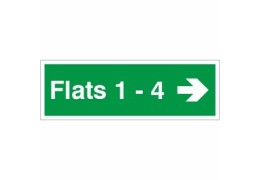
Photoluminescent wayfinding signs help people navigate buildings safely, particularly during emergencies or power failures. By absorbing natural or artificial light and glowing in darkness, these signs remain visible when normal lighting is reduced, helping occupants find escape routes, stairways and emergency exits.

Mandatory Construction Site Signs in the UK (HSE-Style Checklist)
Construction sites change daily: new hazards appear, access routes move, and different trades come and go. Clear, consistent signage helps keep people safe, supports site rules, and reduces confusion for workers, visitors, and deliveries.
This checklist is written in an “HSE-style” practical format: simple questions, clear sign types, and placement tips you can use on a site walk-round.
Disclaimer: This guide is practical information, not legal advice. The exact signs you need depend on your risk assessment, site layout, activities, and your Construction Phase Plan.
The rule of thumb in the UK: signage follows the risk assessment
In UK construction, signage is typically required where it helps you:
- Warn people about hazards that can’t be eliminated
- Prohibit dangerous behaviours (e.g. unauthorised entry, smoking near flammables)
- Instruct mandatory actions (e.g. PPE requirements)
- Guide people to safe routes, emergency equipment, and welfare facilities
As a practical standard, aim for signage that is easy to understand at speed, uses recognised pictograms, and is positioned at decision points (gates, entrances, junctions, stair access, and high-risk zones).
1) Site entrance signs (the “must-have” set)
You likely need these if: you have a controlled site boundary, deliveries, contractors, or any public interface.
- Construction site / Keep out (to deter unauthorised access)
- Authorised personnel only (where access is restricted)
- Site office / Site manager direction sign (where relevant)
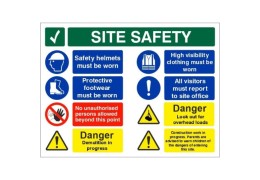
- All visitors must report to site office (or equivalent instruction)
- PPE must be worn at entry (where your site rules require it)
- Speed limit (if vehicles operate on site)
Placement tip: Put entrance signs where people stop and make decisions: at the gate, turnstile, or first point of access — not inside the site.
2) Mandatory (blue) PPE signs
You likely need these if: PPE is required by your site rules or specific work areas.
Checklist:
- Wear safety helmet (hard hat area)
- Wear high visibility clothing
- Wear safety footwear
- Wear eye protection (cutting, grinding, drilling, demolition, etc.)
- Wear hearing protection (high-noise zones)
- Wear respiratory protection (dust, silica, fumes, spraying, etc.)
- Wear hand protection (where task-specific gloves are required)
- Use fall protection / safety harness (where required by method statement)
Placement tip: Put PPE signs at the point of entry to the hazard area (gate, doorway, stair access, or barrier). If PPE rules vary by zone, use clear zone signage rather than one generic sign for the whole site.
3) Prohibition (red) signs
You likely need these if: a behaviour creates serious risk or breaches site rules.
- No unauthorised entry
- No smoking (especially near flammables, fuel stores, and hot works areas)
- No naked flames (where flammable materials are present)
- No mobile phones (where required, e.g. certain hazardous zones)
- No access / Do not enter (for dangerous areas, temporary works, demolition zones)
Placement tip: Prohibition signs work best when paired with a clear alternative (e.g. designated smoking area signage, alternative pedestrian route).
4) Warning (yellow) hazard signs
You likely need these if: there are moving vehicles, overhead work, excavations, electricity, or other high-risk hazards.
Checklist:
- Warning: site traffic / moving vehicles
- Warning: forklift trucks (where used)
- Warning: overhead work / falling objects
- Warning: deep excavation / open trench
- Warning: high voltage / electrical hazard
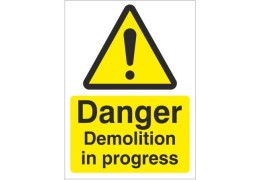
- Warning: demolition in progress (where applicable)
- Warning: hazardous substances (COSHH areas, fuel/chemical stores)
- Warning: asbestos (only where relevant and controlled under your plan)
- Warning: fragile roof (where applicable)
Placement tip: Put warning signs before the hazard, not at the hazard. People need time to change behaviour (slow down, put PPE on, take another route).
5) Fire safety and emergency signs
You likely need these if: you have site cabins, hot works, fuel storage, temporary electrics, or any enclosed structures.
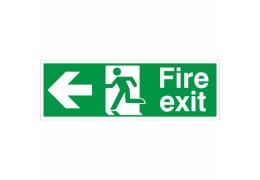
- Fire exit and escape route signs for cabins and enclosed areas
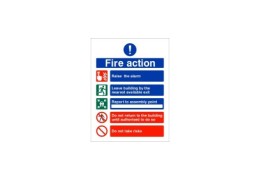
- Fire action notice (what to do if you discover a fire / hear the alarm)
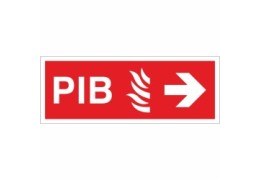
- Fire extinguisher identification signs where extinguishers are located
- Fire alarm call point signs (where call points are installed)
- Assembly point sign at the muster point
- No smoking / No naked flames near fuel and flammables
Placement tip: On larger sites, add directional signs to the assembly point and keep them consistent as the site layout changes.
6) First aid, welfare, and safe condition (green) signs
You likely need these if: you provide first aid, welfare cabins, eyewash, or emergency equipment.
- First aid location (box/room)
- AED / defibrillator (if provided)
- Emergency eyewash (where chemicals/dust risks justify it)
- Emergency shower (where required)
- Welfare facilities (toilets, washing, drinking water, canteen/rest area)
Placement tip: Green signs are about speed. Make them visible from normal approach routes and keep them clear of clutter, notices, and stacked materials.
7) Traffic management and pedestrian segregation signs
You likely need these if: you have deliveries, plant movement, or shared pedestrian/vehicle areas.
- Pedestrian route / Pedestrians keep to walkway
- Plant crossing / Pedestrian crossing (where designated)
- One-way system (where implemented)
- Speed limit
- Loading/unloading area signage
- Keep clear signs where access must remain open (gates, fire points, muster routes)
Placement tip: Reinforce signs with barriers, cones, and clear ground markings. If the layout changes, update signage immediately to avoid “sign fatigue”.
8) Temporary and task-specific signs (often overlooked)
You likely need these if: you have short-duration hazards, maintenance, or equipment issues.
- Danger: men working overhead
- Do not use (faulty plant/tools)
- Out of order (lifts, welfare equipment, temporary services)
- Wet floor (cabins and welfare areas during cleaning)
- Hot works in progress (where relevant)
Placement tip: Temporary signs should be removed when the hazard is gone. Leaving them up reduces their impact.
Quick placement rules (to avoid common mistakes)
- Put signs at decision points: gates, entrances, junctions, stair access, and barriers.
- Use the right size for the viewing distance (bigger spaces need bigger signs).
- Keep signs unobstructed and well-lit.
- Use consistent symbols and wording across the site.
- Review signage whenever the site layout changes (which is often).
10-minute site sign audit (printable routine)
- Start at the main gate: confirm entrance, PPE, and visitor reporting signs are clear.
- Walk pedestrian routes: check segregation, crossings, and warning signs for plant movement.
- Check high-risk zones: excavations, overhead work, electrics, hazardous substances.
- Check cabins: fire action, exits, extinguishers, first aid, and welfare signage.
- Make an action list: missing signs, wrong placement, damaged signs, and any layout changes needed.
Need a “minimum site sign pack” list?
If you tell us what type of site you run (house build, commercial fit-out, civil works, demolition, etc.), plus whether you have plant/forklifts and how many access points you have, we can suggest a practical minimum sign pack to match a typical UK setup and your risk assessment outputs.

Latest comments