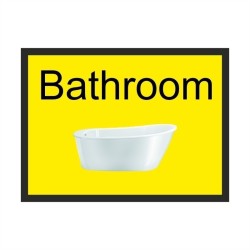
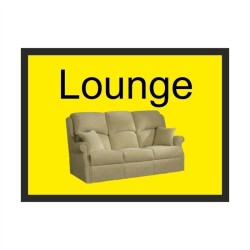
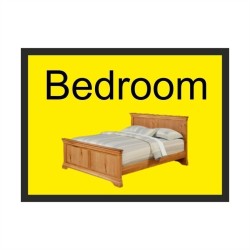
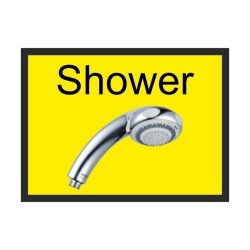
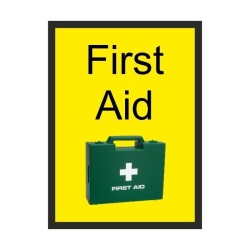
Dementia Friendly Door Signs Guide
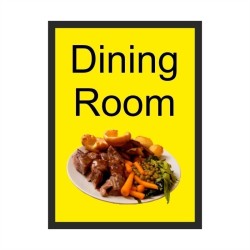
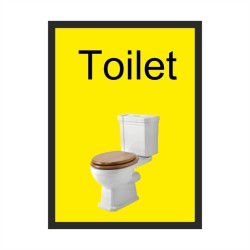
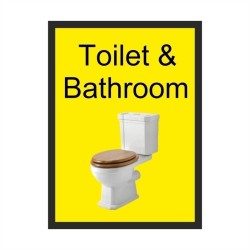
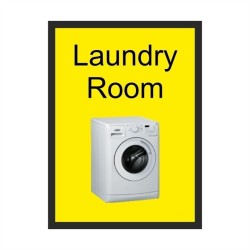
Dementia Friendly Door Signs combine clear wording with recognisable pictures to help people living with dementia identify rooms, facilities and important destinations. They are designed to make care environments easier to understand and navigate.
Good signage can support independence, reduce confusion and help residents find essential rooms such as toilets, bathrooms, bedrooms and dining areas. It also provides consistent visual cues for visitors, carers and staff.
Where Are Dementia Friendly Door Signs Used?
- Residential care homes
- Nursing homes
- Dementia and memory care units
- Hospitals and healthcare facilities
- Supported-living accommodation
- Sheltered housing schemes
- Day centres and community facilities
- Private homes adapted for dementia care
Types Of Dementia Friendly Door Signs
Available Materials
Self-Adhesive Vinyl
A practical choice for smooth, clean doors, walls, panels and other flat internal surfaces.
Rigid Plastic
A durable option that can be fixed to doors and walls throughout care homes, hospitals and supported-living facilities.
Related Door Signs Categories
Dementia Signage Advice & Guides
Frequently Asked Questions
What are dementia friendly door signs?
Dementia Friendly Door Signs use simple words, recognisable pictures and clear colour contrast to help people identify rooms and facilities.
How can door signs help people living with dementia?
Clear visual cues can make destinations easier to recognise, support independent navigation and reduce uncertainty when moving around a building.
Where should dementia friendly signs be installed?
They are commonly placed on or beside doors leading to toilets, bathrooms, bedrooms, kitchens, dining rooms, lounges and other frequently used areas.
What makes a sign dementia friendly?
A dementia-friendly sign should use clear wording, an easily recognised image, strong visual contrast and an uncluttered design.
What height should dementia door signs be displayed at?
Signs should be positioned where residents can see them easily without looking too high or too low. A consistent accessible height should be used throughout the building.
Should dementia signs include both words and pictures?
Using both text and familiar images provides more than one visual cue and can make the meaning of the sign easier to understand.
Are dementia friendly signs only suitable for care homes?
No. They can also be used in hospitals, supported-living accommodation, sheltered housing, day centres and private homes.
Can dementia door signs be fitted directly to a door?
Yes. Self-adhesive signs can be applied to suitable smooth surfaces, while rigid plastic signs can be securely fixed to doors or adjacent walls.
Can signage replace other dementia-friendly design measures?
No. Signage works best alongside good lighting, uncluttered routes, appropriate colour contrast and a consistent interior layout.
Can Rainbow Safety manufacture custom dementia signs?
Yes. Rainbow Safety can manufacture bespoke signs with custom room names, wording, symbols, colours or other site-specific requirements.
Why Buy From Rainbow Safety?
- Manufactured in the UK
- Over 30 years of safety signage experience
- Fast dispatch on standard products
- Trade discounts available
- Custom dementia-friendly signs manufactured to order
- Large range of care, accessibility and wayfinding signs
- Trusted by UK care providers, healthcare facilities and businesses
- Expert support from an experienced safety signage team